Chicken Coops
/ EatingBiting
EatingBiting Chicken Coops
Chicken coops and nesting essentials for small backyard flocks, sized by how many chickens you keep.
Standout
Current set
1 coop in this set
Ranges For 2-4 chickens For 4-6 chickens
Worth noticing
Sized By Flock
Coops grouped for two to four, four to six, and six to ten chickens.
Nesting Covered
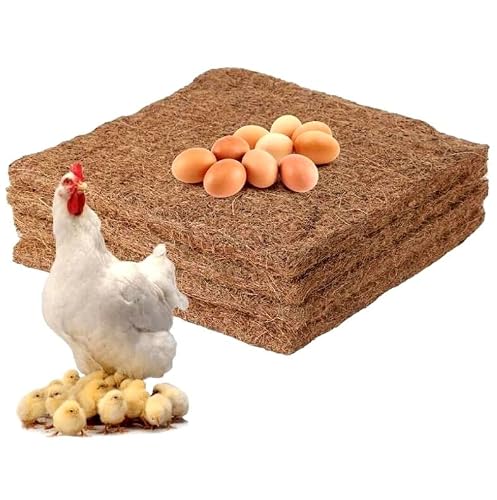
Nesting boxes and coconut palm nesting pads round out the coop setup.
Beyond Chickens
Rabbit hutches and runs sit alongside the coop collections.
From use
Notes from buyers
I keep a handful of hens and the coop sized for that range fit my setup without extra space. The nesting pads went straight into the boxes.
The nesting boxes were the piece I was missing, and the coconut palm pads sit nicely inside them. My layers took to them quickly.
I added a rabbit hutch from the same lineup next to my chicken coop. Everything feels made for a small backyard rather than a big operation.
Why this brand is here
Built Around The Flock
The collections are organized by how many chickens a coop is meant to hold, from small pairs up to larger backyard flocks. Nesting boxes and coconut palm nesting pads fill in the laying side of the setup.
- Coops for 2-4 chickens
- Coops for 4-6 chickens
- Coops for 6-10 chickens
- Chicken nesting boxes
- Coconut palm nesting pads
- Rabbit hutches and runs
What to look for
Flock Size First
The coop collections are split by chicken count, so the first choice is how many birds you keep. Each tier points to a coop matched to that range.
Nesting Side
Chicken nesting boxes and the four pack coconut palm nesting pads cover the laying area. They pair with any of the coop sizes.
Small Flock Focus
The range stays with backyard numbers rather than large operations. Coops for a few birds up to ten are the core of it.
Hutches Too
Rabbit hutches and runs sit in the same lineup for keepers with more than chickens. They follow the same small-scale backyard approach.
FAQ
About EatingBiting
What does EatingBiting make?
Chicken coops, chicken nesting boxes, coconut palm nesting pads, and rabbit hutches and runs.
Who are these coops for?
Backyard keepers with small flocks, with coop collections grouped for two to four, four to six, and six to ten chickens.
How do the coop models differ?
They differ mainly by the number of chickens they are meant to hold, which is how the collections are divided.
What stands out in the lineup?
The flock-size groupings plus nesting boxes and coconut palm nesting pads that complete the laying setup.